

Running a business is all about making smart investments.
For many companies, trucks and heavy equipment are not just tools, they’re the backbone of operations. But did you know that when you purchase qualifying equipment, you can also get significant tax savings through Section 179 of the IRS Tax Code?
With the year winding down, now is the time to learn how this deduction works, what it covers, and how you can use it before December 31, 2026.
What is Section 179?
Section 179 allows businesses to deduct the full purchase price of qualifying equipment purchased or financed during the tax year. Instead of writing off the cost of a truck over many years through depreciation, you can deduct the entire cost in the same year you put it into service.
Thanks to the One Big Beautiful Bill Act, signed in July 2025, Section 179 is bigger and now rises with inflation every year. For 2026:
- Maximum deductions: $2,560,000
- Phase-out begins: when total equipment purchase exceed $4,090,000
- Bonus depreciation: 100% and now permanent
For most businesses, that means the full price of the truck, or even a whole fleet upgrade, fits under the limit.
Bonus Depreciation works alongside Section 179. Section 179 can’t be more than your business’s taxable income for the year, but bonus depreciation has no income limit, so it can cover the rest. Your tax professional can help you choose the best mix.

Why Section 179 Matters for Truck Buyers
For companies in industries like waste management, construction, and logistics, the cost of a new or used truck is significant. Section 179 helps offset that cost by lowering your tax bill.
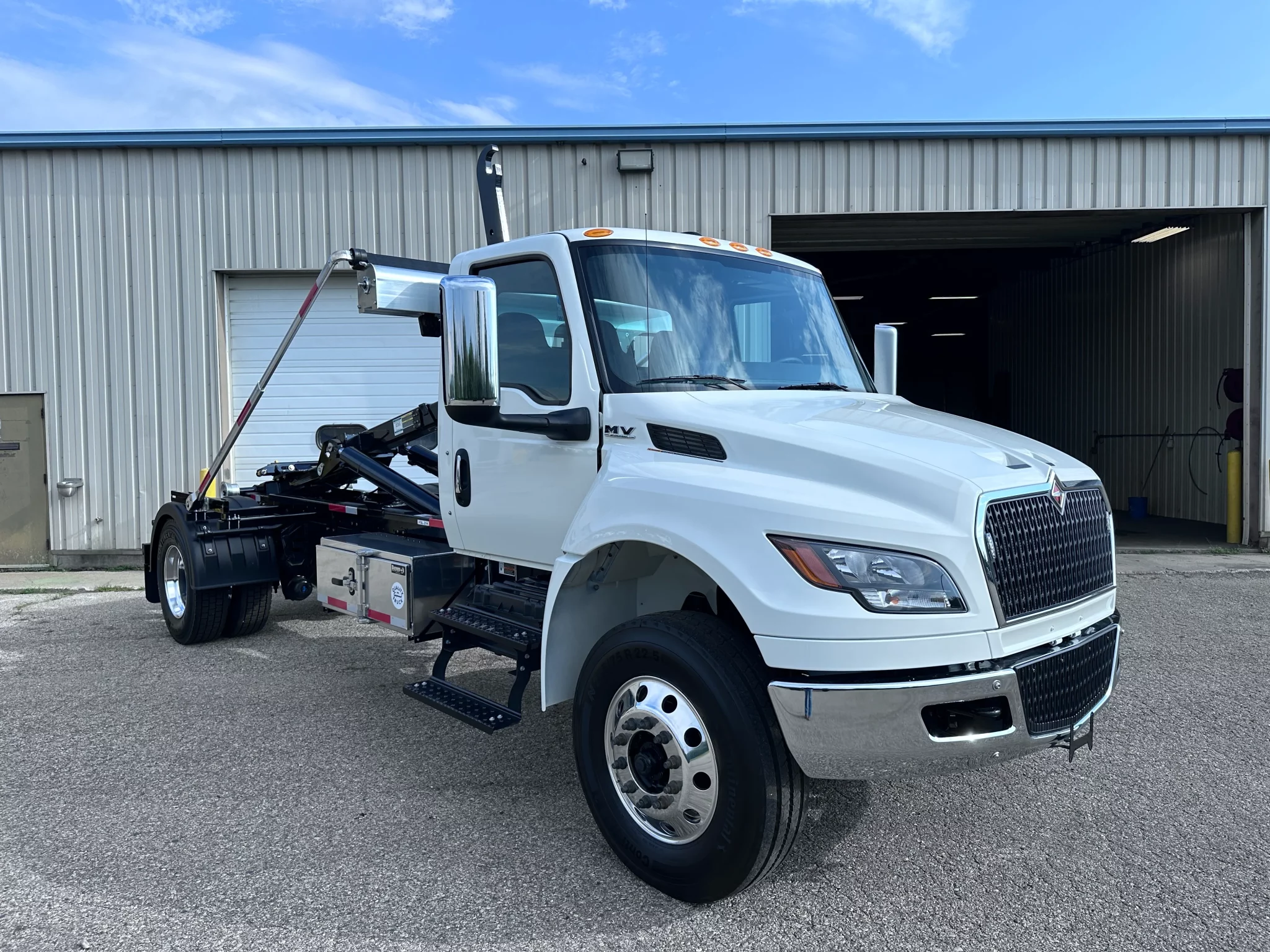
For example, let’s say you purchase a new Mack or Freightliner hooklift truck for $200,000. Instead of spreading out the write-off over about 5 years, you could potentially deduct the entire $200,000 this tax year, dramatically reducing your taxable income.
Hooklift trucks have another advantage. Because they are well over 14,000lbs gross vehicle weight rating, they aren’t subject to the $32,000 limit that applies to heavy SUVs. The full price can be deducted.
Who Qualifies for Section 179?
Most small and mid-sized businesses qualify as long as the equipment is:
- Purchased (or financed) and put into service with the tax year. The truck must be delivered and working in your business by December 31,2026. Signing the paperwork alone isn’t enough.
Used for business purposes more than 50% of the time.
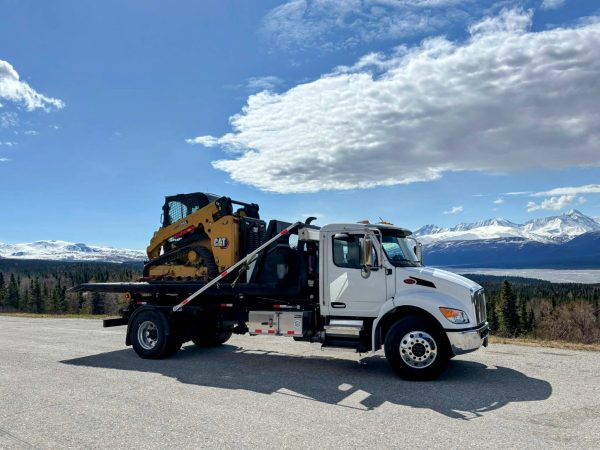
Qualifying Equipment, like trucks, trailers, and machinery. New and used equipment both qualify.
Trucks are a perfect example of qualifying equipment. Whether you’re adding to your fleet or replacing older units, your purchase can work double-duty: keeping your operations running and cutting your tax bill.
Bonus Benefits Beyond Tax Savings
While the upfront tax deduction is the main draw of Section 179, there are hidden advantages as well. Being able to deduct a large purchase right away helps you:
Improve Cash Flow – Less money going to the IRS means more available for payroll, fuel, and operations.
Stay Competitive – Newer trucks with updated emissions and technology can reduce downtime, fuel costs, and maintenance.
Future-Proof Your Fleet – Emissions requirements for heavy trucks vary by state and keep changing. IF you operate in California or a state that follows its rules our team can help you find a CARB-Compliant truck, like the Freightliners or Macks.
This isn’t just about saving on taxes — it’s about positioning your business for long-term success.
Real-World Example
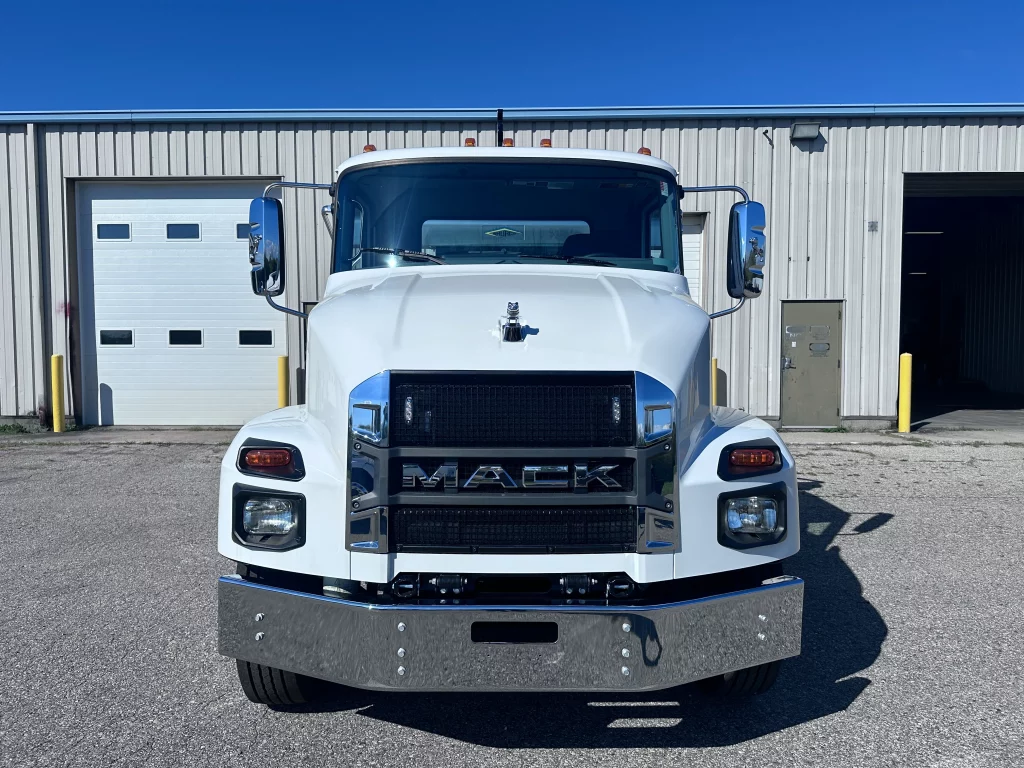
Let’s put it into perspective. Imagine you purchase a $180,000 Mack hooklift truck in November 2026. Your business is in the 24% tax bracket
Without Section 179 | With Section 179 | |
Year-One Deduction | About $36,000 | $180,000 |
Year-One Federal Tax Savings | About $8,640 | $43,200 |
Without Section 179, you’d depreciate the truck slowly over 7–10 years. You’d deduct only about $36,000 in on year under standard depreciation, saving about $8,640 in federal taxes.
With Section 179, you could deduct the entire $180,000 this year.
If your business is in a 24% tax bracket, that deduction could save you $43,200 in taxes immediately.
That’s money that could go back into your operations, cover employee wages, or fuel your growth into 2027.
This example assumes your business has at least $180,000 in taxable income. Your results will depend on your situation.
Final Thoughts
Section 179 is one of the most powerful tools businesses have for reducing tax liability while investing in the equipment they need to grow. If you’re considering a truck purchase, don’t wait until the last minute — the deadline is December 31, 2026, the truck must be inservice by then, and inventory is moving quickly.
At QTE, our team is ready to walk you through the best options, from CARB-compliant Freightliners and Macks to financing solutions that work for your budget.
Contact us today to find out more!
Get the key numbers in one place. Download our free 2026 Section 179 Guide for the 2026 limits, a real savings example, and a simple timeline to beat the December 31 deadline.
This article is for general information and isn’t tax advice. Please talk with your tax professional before making a purchase decision.