

NEW VIDEO
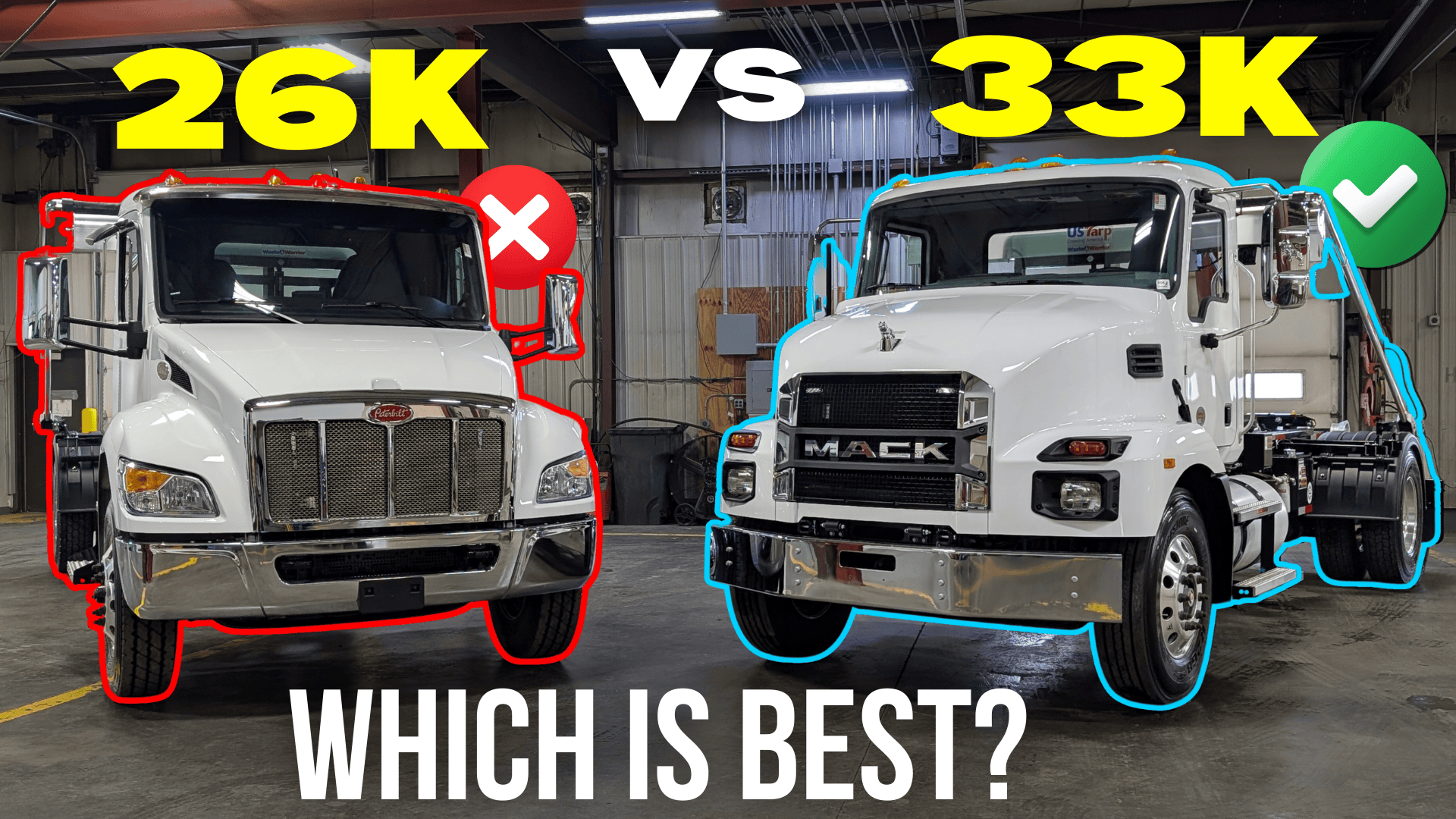
26K VS 33K For Dumpster Rental – Which is BEST?
In todays video Marlin dives into the differences between 26k and 33k hooklift trucks for dumpster rental business owners. We breakdown why you should be buying 33k trucks and why people are often scared to take the leap of getting into a CDL truck.
Why More Haulers Aren’t Moving Into CDL Trucks—and Why You Should
If you’re in the dumpster or trash hauling business, you’ve probably wondered: why aren’t more operators moving into CDL trucks? Today, we’re breaking down this common question, exploring the misconceptions, and showing why stepping up to a 33,000 GVW (Gross Vehicle Weight) truck can make a big difference for your business.
The 4 Common Concerns About CDL Trucks
When talking with customers, four recurring concerns come up about CDL trucks:
- The CDL world seems intimidating.
Many people shy away from commercial driving licenses, assuming it’s complicated and full of red tape. - Cost concerns.
Operators often assume bigger trucks are significantly more expensive. - Insurance is scary.
A CDL truck must mean sky-high insurance, right? - Finding a driver is tough.
People worry that hiring CDL drivers is nearly impossible.
Let’s break these down one by one.
1. Is the CDL World Really That Scary?
For most people, the CDL process is simpler than they think. A medical card, random drug tests, and a road test are all straightforward requirements. If you’re healthy, responsible, and willing to put in a little training, getting a CDL is manageable.
From experience, operators often find that the CDL world isn’t as intimidating as it’s made out to be—especially when you have support and guidance.

2. Cost Differences Between CDL and Non-CDL Trucks
Contrary to popular belief, the cost difference between an under-CDL 26,000 GVW truck and a 33,000 GVW truck isn’t huge—if you’re using similar engines and hoists.
Extra costs generally only come into play when:
- You want a bigger hoist
- You’re lifting larger dumpsters
- You want a higher-capacity engine
Even with these upgrades, the difference isn’t as dramatic as many think.
3. Insurance Isn’t Always Sky-High
Insurance can be expensive if you’re a brand-new company or have driving infractions. But for established, responsible operators, insurance isn’t necessarily higher just because you’re running a CDL truck.
Tip: Shop around. There are insurance providers who specialize in trash hauling and understand the risks better than general carriers.
4. Finding CDL Drivers: The Real Challenge
Yes, finding qualified help is always challenging—but good drivers do exist.
One strategy is investing in your employees: help them get their CDL.
- With proper training and support, you’ll cultivate loyalty.
- Many top drivers started with no CDL experience at all.
Helping your team grow often pays off with long-term commitment and better performance.
Why a 33,000 GVW Truck Can Be a Game-Changer
Here’s the exciting part: the numbers speak for themselves.
- 33,000 GVW truck: Hauling capacity ~18,000 lbs
26,000 GVW truck: Hauling capacity ~11,000 lbs
That’s a 7,000 lb difference per load. Over time, this adds up to more trips completed, higher revenue, and a more efficient operation.
Even better, stepping into a 33,000 GVW truck allows you to:
- Handle heavier loads without overloading your truck
- Upgrade engines and hoists as needed
- Avoid the 12% Federal Excise Tax (FET) on trucks over 33,000 GVW—at least until you add a lift axle later
Step-Up Strategy: Transitioning From Under-CDL to Bigger Trucks
You don’t have to jump straight to an 80,000+ GVW tri-axle. A smart approach:
- Move from under-CDL to a 33,000 GVW truck
- Pair it with an SL22 hoist for 18 ft containers
- Haul 30-yard dumpsters with ease
- Maintain flexibility for tight alleys and job sites
This approach balances efficiency, cost, and growth potential without overwhelming your operation.
Extra Tip: D-Rating for Under-CDL Flexibility

If staying under CDL is a priority, consider D-rating a 33,000 GVW truck.
- Factory D-rates allow you to use heavier trucks while legally staying under CDL limits.
- Provides the benefit of a stronger frame, better suspension, and higher axle ratings without the CDL headaches.
Real Feedback From Haulers
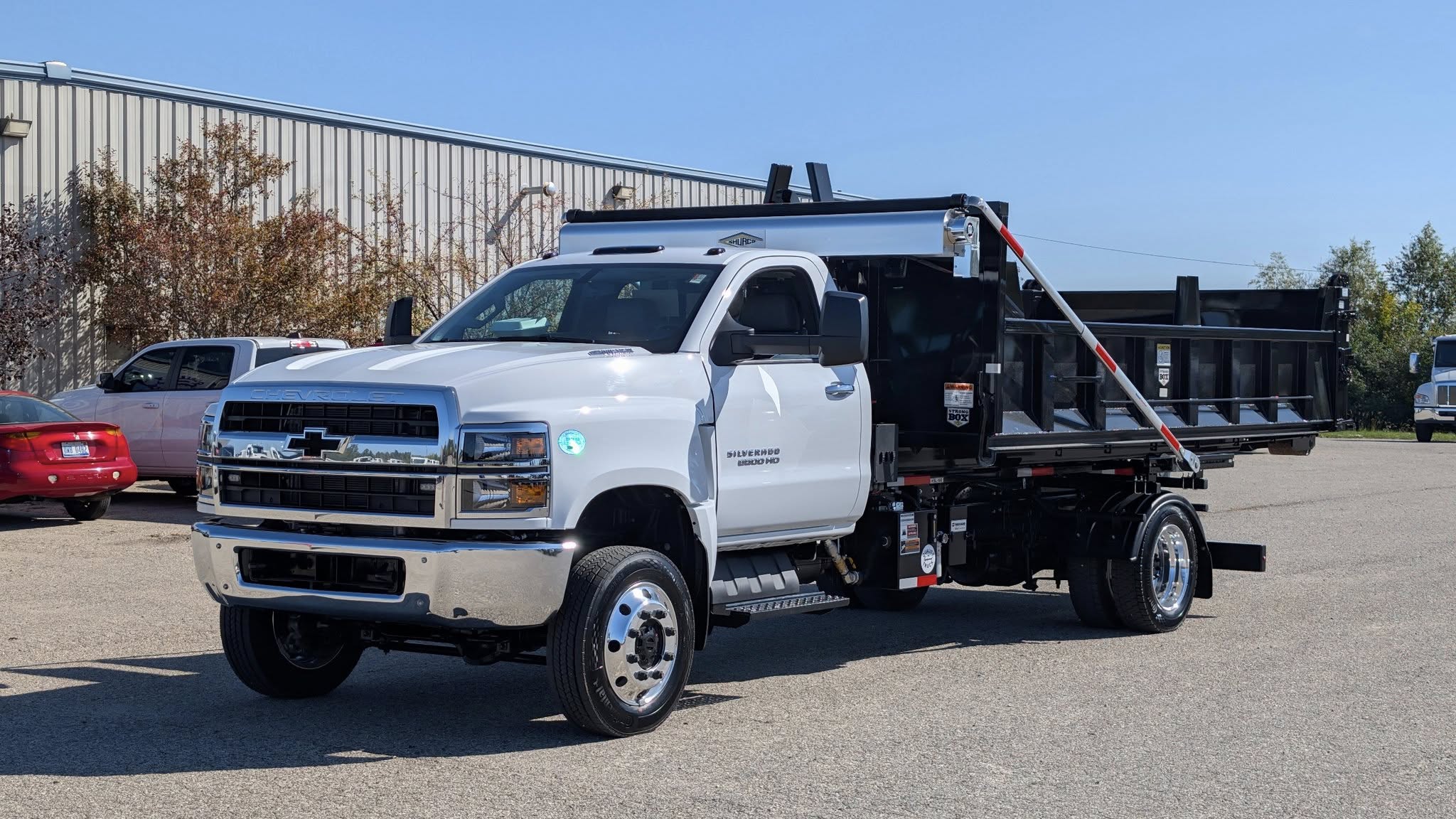
Many operators discover that smaller under-CDL trucks can limit their growth. Overloading them can wear out suspensions quickly and create expensive maintenance issues.
Moving up to a 33,000 GVW truck offers:
- Stronger suspension
- Heavier frame rails
- Higher payload capacity
- Long-term durability
All while giving you room to grow your business safely and efficiently.
Bottom Line
If you’re serious about growing your hauling business:
- Don’t fear the CDL world – it’s manageable with proper support.
- Think about payload efficiency – hauling 7,000 lbs more per load can significantly increase revenue.
- Invest in your team – train CDL drivers, offer growth opportunities, and build loyalty.
- Consider smart truck upgrades – 33,000 GVW trucks offer the sweet spot between cost, capacity, and flexibility.
Moving to a bigger truck isn’t just a step up—it’s a smart business decision.